
Product Evolution
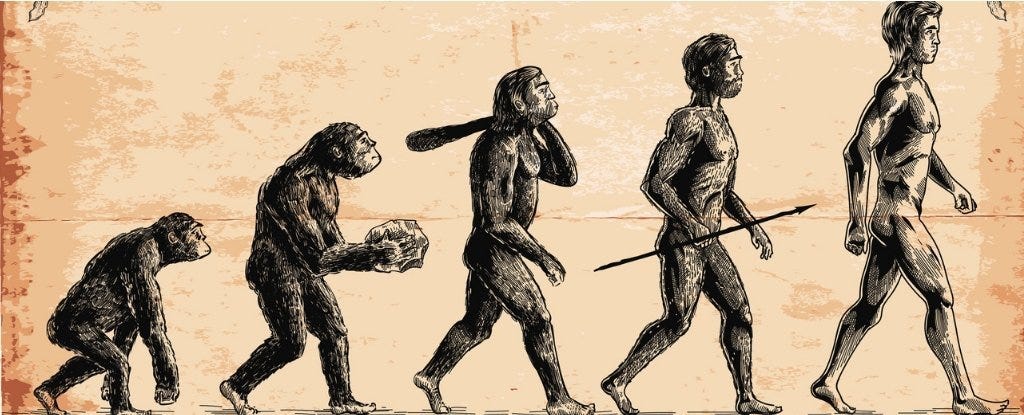
Great product is one that has the capacity to evolve. I’ve been thinking about what capacity means in this case and how to design it to lead product/company evolutions.
Product evolutions are usually a result of a number of trails and errors; sure, these can be completed under the radar, but for most companies this form of self disruption happens on stage, for everyone to see. Consequently, when some of these trails inevitably go wrong, user rage is not always quickly followed by a despondent form of compliance, sometimes there’s churn. This got me asking, is there a mental model to increase the effectiveness of such trails?
I was recently stuck by the amount of backlash Facebook received after Instagram’s UI shuffle, I believe the motivation behind this was to nudge the platform into the ecommerce space and better showcase the platform’s present and future features more aggressively, front and centre within the app. Clearly, this decision wasn’t a fan favourite. Though business wise it made sense, forcefully nudging Instagram into the ecommerce space sows the seeds to monetise off an otherwise, largely dormant (spending-wise) userbase in the near future. With growing pressure from the success of commerce social counterparts within China, I’m guessing Facebook grew a little tired of trusting the process and catapulted themselves years into their product timeline prematurely, this left users confused. Why was their social app now becoming their shopping centre?
See, I believe Facebook misinterpreted Instagram’s capacity to evolve somewhat. I also trust that the product evolution capacity is directly impacted by a platforms’ early ideals and use cases. In Facebook’s case, it’s early ideals were one of connectedness - human connectedness. The probability of success when innovating within that domain were sky high. You could claim that I’m stating the obvious, however, when it gets tricky is when teams fail to realise that a company’s ideals and missions grow along with their success. Branching products off long term bets is a trap that we’ve all seen large companies become prone to. In fact, it’s a matter of course correcting these long term bets until there’s a strong correlation between it and the platforms’ early ideals and use cases. Instagram’s early ideals and use cases were similar to Facebooks’ -connect, share and like. Heavily focused on social, it’s users have framed it as such. Expecting a large adoption from the ecommerce side of Instagram essentially means changing ideals and slowly erasing it’s existing use cases
…